Imbolc | How to Celebrate
Bright blessings to all of you in this season of midwinter. We are at the point of the year where the light is beginning to conquer the dark. A season of hope as the dawning sun rises earlier in the East and sets later in the West a little more each day. Even as I write this, I am sheltering indoors as there are frigid below zero temperatures outside and the world is blanketed under feet of snow and ice. Imbolc is upon us.
Origins of Imbolc
The word Imbolc (Imbolg) is an old Irish word that translates to “in the belly” or “ewe’s milk” and refers to the early lactation of sheep. It connects us to the time of the lambing season in old Ireland when the livestock began to start producing milk. A sign of life returning to the land, and an end to hunger for people who depended on the land to survive.
Milk production was a blessing, a sign that they could indeed survive through the winter. This is such a foreign concept for us now as we have grown accustomed to the industrialized world with factory farming, mass production of goods, and global imports. Now, we are used to the convenience of a local grocery store and the ability to get whatever our heart desires, even if it is out of season or from a distant land.
Within the Wheel of the Year
Imbolc is a cross-quarter fire festival that is seated at the midway point between the Winter Solstice and Spring Equinox. In ancient Ireland it was considered the first day of spring. Currently, it is hard to imagine spring when I gaze out my frosted windows while wrapped in a cozy wool sweater next to the fire, sipping from a mug of cinnamon spiced tea. Gratefully, we are at this gentle inflection point in the turning of the wheel.
Even in the stillness as the world still slumbers, I can feel that quickening, stirring to start new projects breathing life into my days. That spark of creativity is aflame in my heart and I am looking forward to bustling festival activities, rituals, building community and connection.
Brighid, an Imbolc Goddess
Imbolc is closely associated with the goddess Brighid, a member of The Tuatha Dé Danann. So beloved by the Irish people, the goddess survived the christian colonization of Ireland and was formally recognized as St. Brigid by the Catholic Church in the mid 5th century. St. Brigid is honored on February 1, the same day pagan celts celebrated Imbolc, and as of 2023, St. Brigid’s day is designated as a public holiday in the Republic of Ireland.
Goddess Brighid is a daughter of Dagda, a universal deity within Celtic polytheism. Her name translates to “Exalted One,” and is also known as Brigantia, Brid, Bride, Briginda, Brigdu, and Brigit. The celts venerated her as the goddess of healers, poets, smiths, childbirth, inspiration, fire and hearth, and a patron of warfare or Briga. The soldiers were referred to as The Brigands.
Symbols associated with Brighid
Flame – for inspiration and renewal
Well – for healing waters
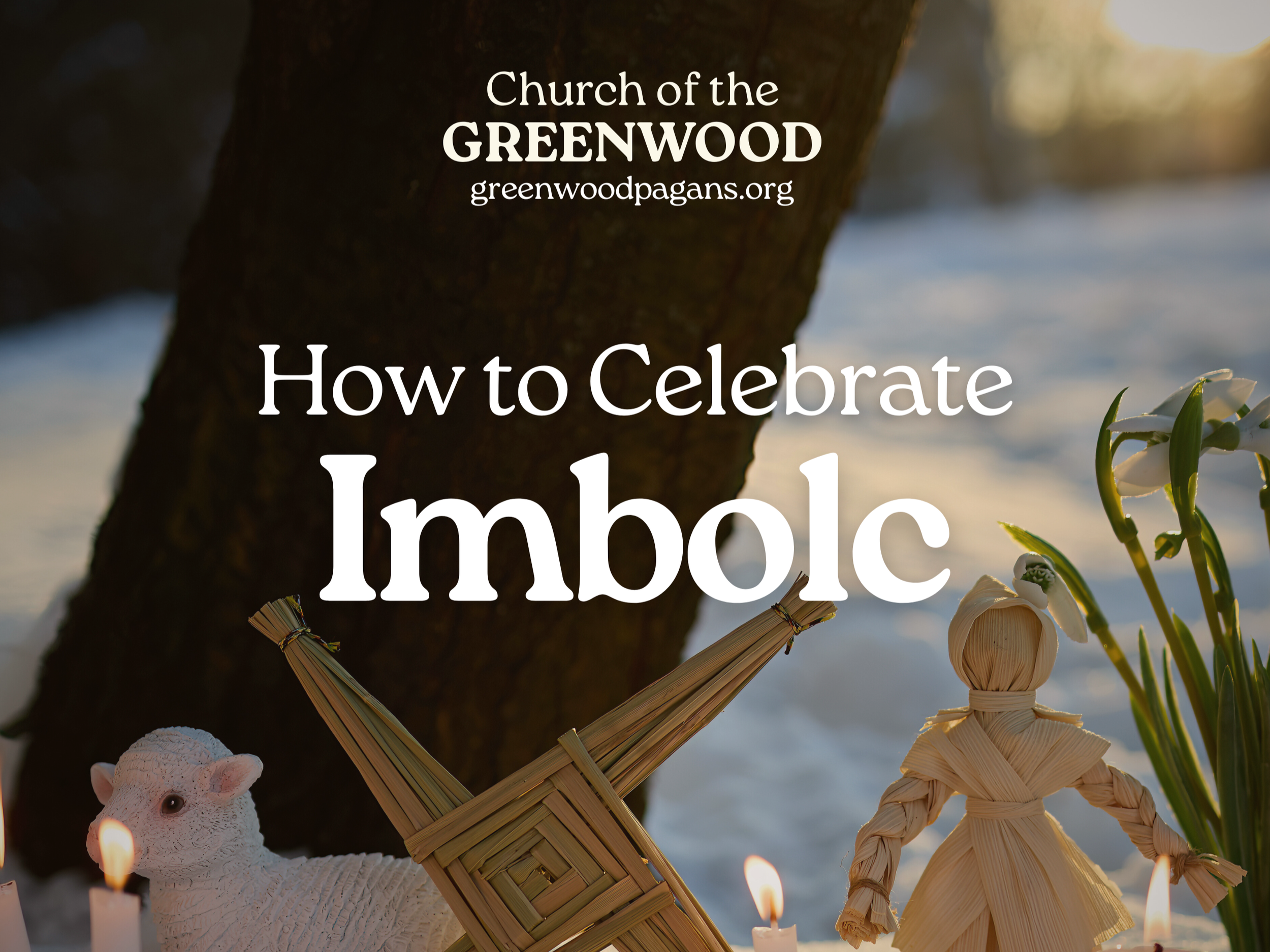
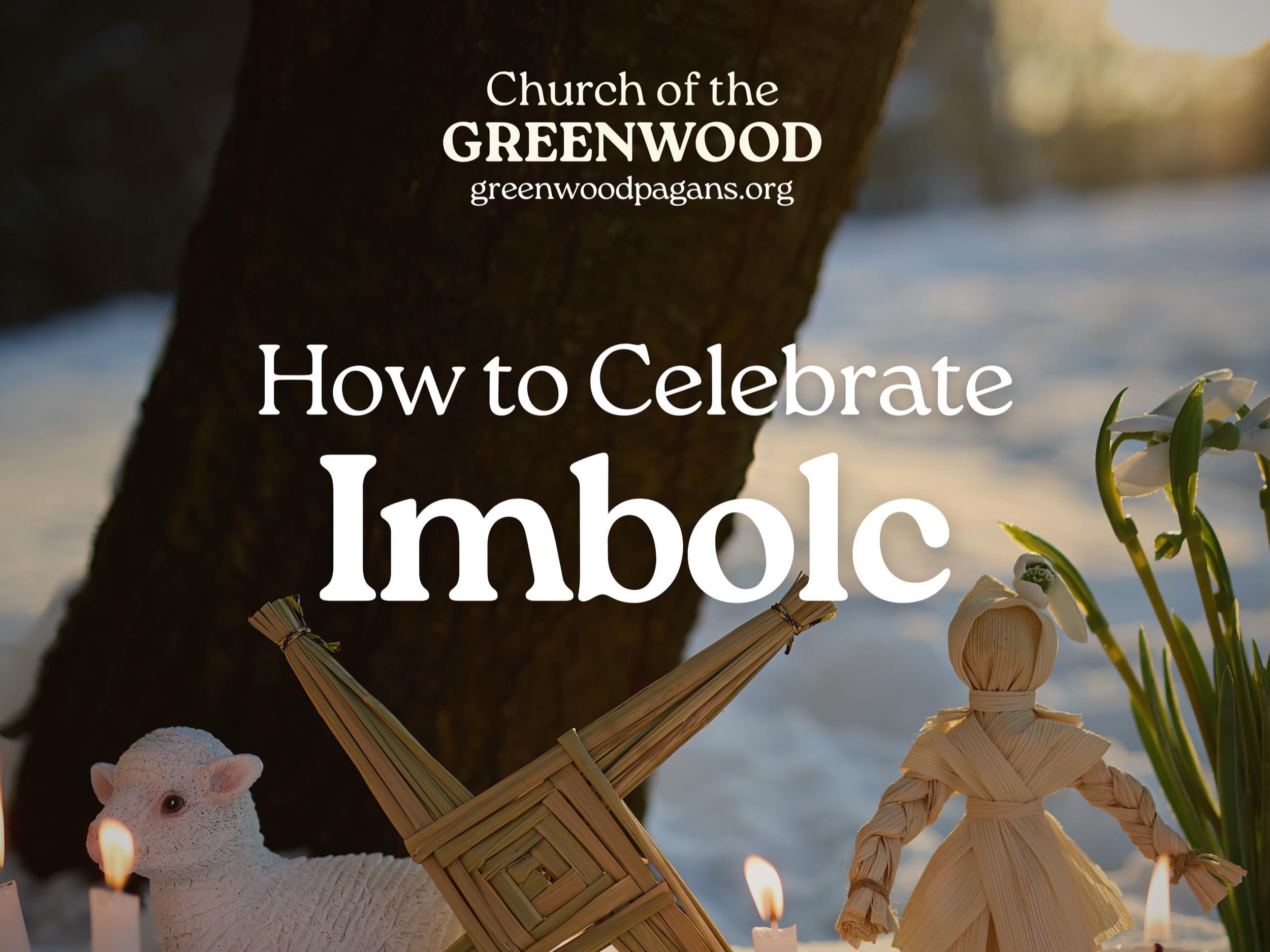
A Celtic Cross made from rushes – for protection
Bread and Milk – for nourishment
Traditional Customs
Lighting of candles and hearth fires
Spring cleaning
Blessing of livestock
Visiting holy wells
Creating a Bridy Doll (an effigy or doll of Brighid made of cloth and stuffed with wool, cotton, straw, or dried summer herbs).
Brat Bride (leaving a red cloth outside on the eve of Imbolc for Brighid to bless) It is used as powerful talisman for healing, protection, and to lend power to magical workings throughout the year.
Imbolc Weather Predictions
Imbolc has many beautiful folk tales and traditions. One such tale from ancient Ireland was the tale of the Cailleach, the Crone Witch Goddess of Winter. According to lore, every February 1 she goes out to gather firewood. If the day was dry and sunny she would be able to gather a lot of wood. Winter would then be prolonged because she would haul her wood back to her cottage, light a roaring fire to continue to do magic for the next six weeks. If it was a wet and gray day, she wouldn’t be able to gather dry wood and would give up, making the way for the goddess Brigid to bring in the warm weather of spring.
Ways to Celebrate Imbolc
Plan your garden for this year and start some seeds indoors
Recreate an Irish custom
Create an Imbolc altar that welcomes in the light
Candle magic
Brighid’s Thaw – For Imbolc
Winter had settled over me,
The frost sealing my eyes, my mouth;
My bones as ice,
Stilled
Beneath frozen water.
You came
And planted your sun like a seed in me,
Warm,
Precious,
Pearl of light,
And my being became the song of snow-melt,
A river-burst of birdsong
Rising.
At your touch my body is a garden
Of snowdrops;
This tender blooming
The greening of my soul.
Maria Ede-Weaving, A Druid Thurible, 2009
However, you choose to honor this special time of the year, may Brighid’s fire kindle within your heart warmth and empathy for those who need us most. May her hearth fires melt the ice around us creating a healing well of water liberating us from winter’s grip.
Bright Blessings to you all,
Rev. Sherene
Sources
Cook and Roux (2023) The Wheel of the Year, Andrews McMeel Publishing, Kansas City, Missouri.